

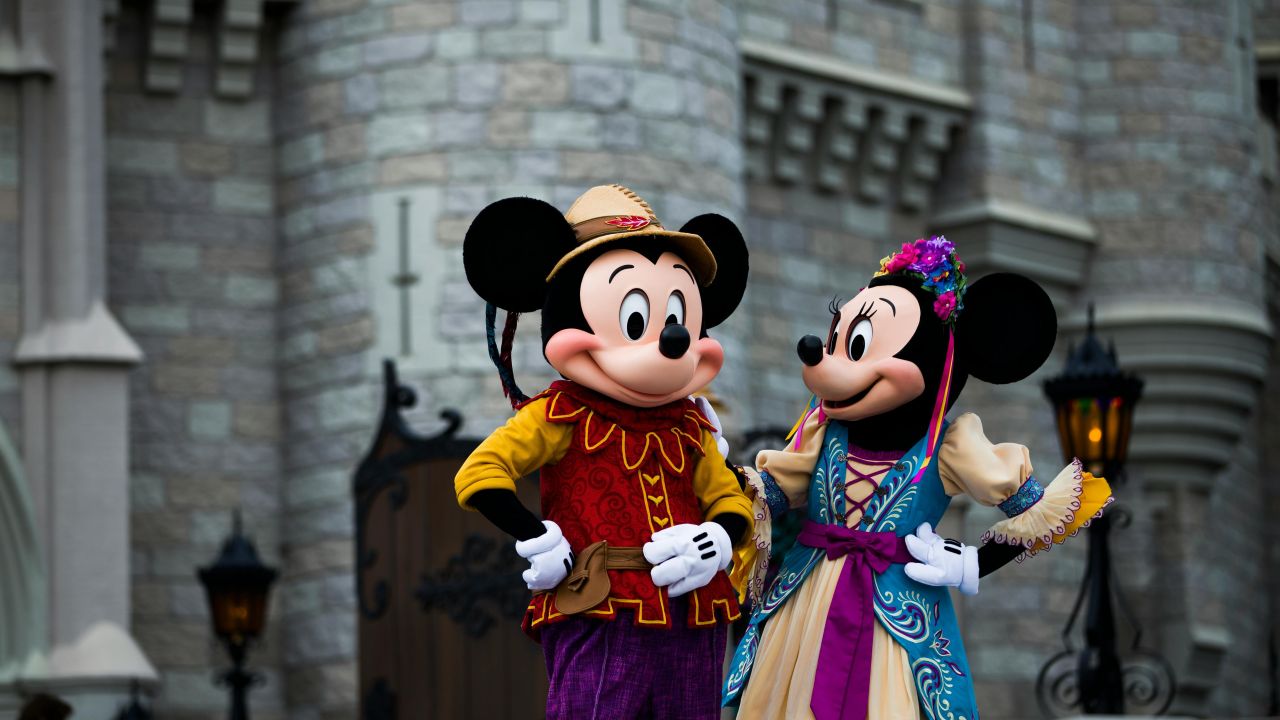
In a surprising move, the original 1928 version of Mickey Mouse — from the famous short film Steamboat Willie — is now part of the public domain in the United States. This means anyone can use the character and its original artwork freely, without needing Disney’s permission.
But what does that really mean? Let’s make it simple.
What changed and what didn’t?
You can now legally use the old black-and-white Mickey, just like he looked nearly 100 years ago. But the modern Mickey, with red shorts and big eyes, is still under copyright. That version is still protected.
Disney also owns the trademark, so it can stop people from making things that might trick others into thinking they’re official Disney products.
Why is this a big deal?
Now, people can create new films, games, comics, or art using the old Mickey design. Some horror movies and indie projects using that version are already in the works—like The Mouse Trap and Screamboat, which show Mickey in dark and surprising ways.
Still, Disney controls the newer versions of Mickey and protects the character’s image. The company has even taken legal action against people selling unapproved merchandise that copies the 1928 Mickey style and looks like it’s from Disney.
What’s next?
Soon, more old Mickey cartoons like The Karnival Kid (where Mickey speaks for the first time) will also become public. And it’s not just Mickey—many classic books, films, and songs from 1929, like Tintin, Popeye, and Singin’ in the Rain, are now free to use. This gives creators fresh ideas and material.


Why it matters
This is a great chance for writers, artists, and filmmakers in India and across the world. Want to make your own comic or cartoon? You can use the early Mickey version freely. Just don’t copy the modern Disney look. And for fans, it means more fun and creative stories based on a classic character.
In short: Mickey didn’t lose his magic—he just opened a new chapter. Get ready for a new wave of creativity.
