


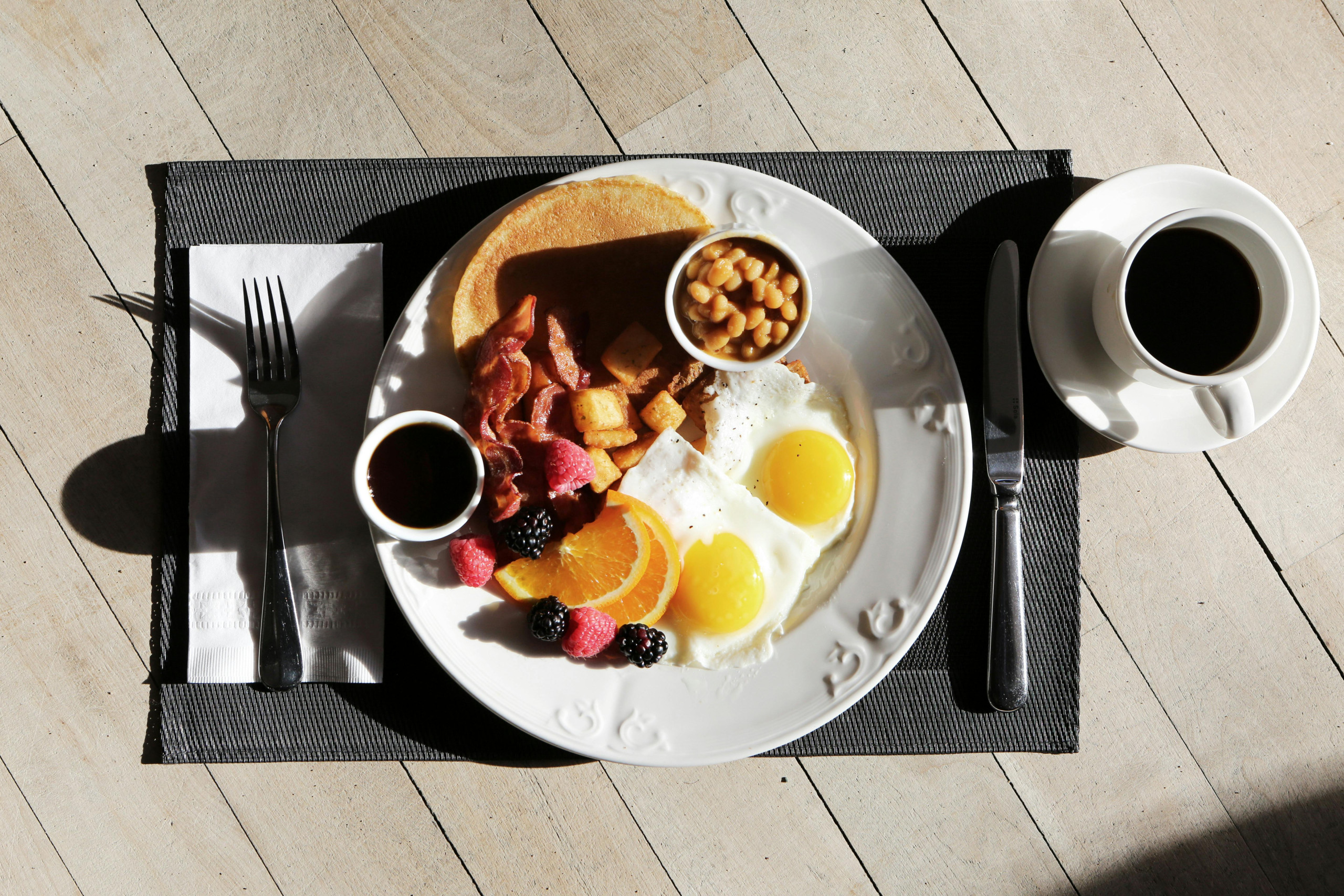
Breakfast is an important meal, especially for kids. It gives them energy, helps them grow, and affects how they eat all day. But what if the most common breakfast is now doing more harm than good?
A Popular Breakfast Under the Spotlight
For years, ready-to-eat cereal has been a regular breakfast for many kids in America. The colorful boxes, fun characters, and catchy lines are made to attract children and make things easy for parents.
But there’s a big problem hiding behind those fun boxes.
A new study in JAMA Network Open looked at 1,200 cereals made for kids between 2010 and 2023. What it found was worrying.
What’s Different Now?
The study found that compared to 2010, cereals in 2023 have:
- 33.6% more fat per serving
- 32.1% more salt
- 10.9% more sugar
- Less protein and fiber
In short, cereals for kids are now more sugary, fatty, and salty, and have less nutrition.
Here’s the worst part: One bowl of many cereals gives kids over 45% of the daily sugar limit recommended by the American Heart Association.
That’s just from one serving.
What Should Parents Think?

If you’re a parent, this might be hard to hear. Cereal is fast and easy, and many brands say they’re “healthy” or “fortified.” But those labels can fool you.
“Parents think kids’ products are safe and healthy. But the numbers say something else.”
Dr. Leana Wen
She said the study tracked new cereals for kids ages 5 to 12. The drop in nutrition wasn’t small — it was clear and worrying.
Why This Matters Now
Childhood obesity and other health problems are growing fast. What kids eat in the morning affects their energy, focus, and mood.
If kids start their day with sugary, low-nutrition cereal, they may feel tired later, struggle in school, and form bad eating habits that last.
This isn’t just about weight. Too much sugar can lead to heart disease, diabetes, and even behavior problems.
The Problem With Colorful Boxes
There’s one more issue: food dyes.
Cereal boxes have used bright colors for over 100 years. These colors look fun, but some studies link food dyes to hyperactivity and allergies in kids.
Some of these dyes are banned or labeled in Europe. But in the U.S., companies still use them — especially in cereals made for kids.
What Should You Serve Instead?
Here’s the good news: There are better breakfast choices. And they don’t have to be hard or expensive.
Try these simple, healthy breakfast ideas:
1. Oatmeal with Fruit
Use plain oats. Let your child add banana, berries, or a little honey. It’s tasty and full of fiber.
2. Whole-Grain Toast with Nut Butter
Add a glass of milk or a boiled egg. This gives protein, fiber, and good fats.
3. Greek Yogurt with Fruits and Nuts
Layer yogurt with fresh fruit and some seeds or nuts. It’s fun and better than sugary cereal.
4. Eggs (Boiled or Scrambled)
Eggs are rich in protein and help brain growth. You can add vegetables too.
5. Homemade Breakfast Bars
Make bars with oats, nut butter, dried fruits, and a bit of honey. Good for busy mornings.
Change Takes Time — And That’s OK
You don’t need to stop cereal all at once. Change is hard, especially if your child loves a certain brand.
Try small steps. Reduce the cereal portion, or mix it with a healthier option. Slowly add better choices until your child gets used to them.


Most importantly, read the label. Look out for:
What This Shows About Food Today

This trend is part of a bigger issue. Many food companies care more about taste and looks than health.
Kids are easy targets for ads. Once they get used to sweet foods, they expect everything to taste like that.
To keep kids healthy, we need to start with what they eat in the morning — and that starts with knowing the truth.
The Bottom Line
The cereals we ate years ago have changed. Today, they’re full of sugar, salt, fat, and additives.
But we can still make better choices. As parents and caregivers, we can take a few extra minutes each day to give kids real food.
They deserve more than just fun colors and clever ads. They deserve food that helps them grow, think, and feel their best.
