


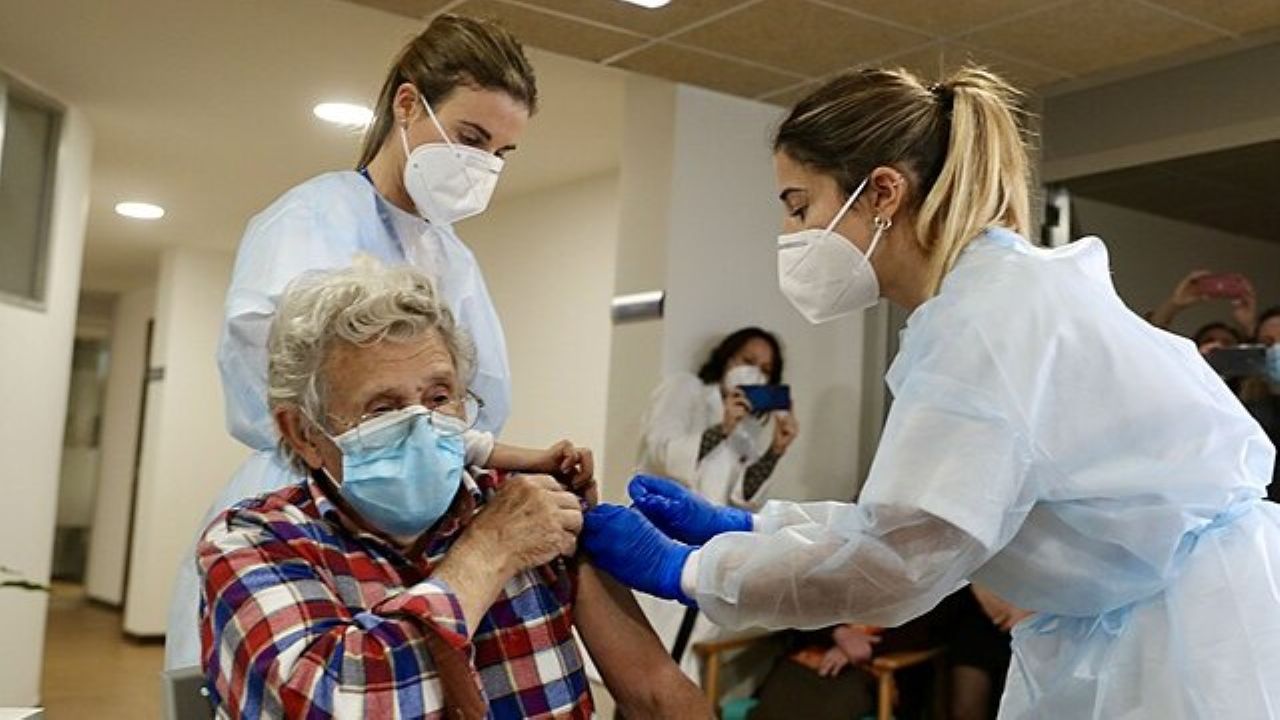
A new COVID-19 variant called NB.1.8.1 — also known as “Nimbus” — is now spreading in the UK. People are noticing strange symptoms that feel like hay fever, which makes it harder to spot and is worrying many communities.
This variant first appeared in early 2025 and spread quickly — it’s now in more than 20 countries, including the UK. By early June, around 24% of global cases were linked to NB.1.8.1, a big jump from earlier months.
At the same time, another variant called “Stratus” or XFG is also growing in the UK. By mid-June, it made up nearly 40% of COVID cases and brought unusual symptoms like a hoarse or raspy voice.
People are waking up sneezing, with runny or blocked noses, and itchy throats — symptoms that look like hay fever. But doctors warn: COVID usually causes fever, total loss of taste or smell, tiredness, body pain, chills, or stomach issues. Hay fever doesn’t usually cause these.
❗️😷🇨🇳 – The NB.1.8.1 sub-variant (Nimbus), an Omicron-derived Covid-19 strain, was first detected in early 2025 and has spread to 22 countries, including the UK, US, China, India, and Singapore.
— 🔥🗞The Informant (@theinformant_x) June 7, 2025
Its spike protein mutations may enhance transmissibility, but it doesn't increase… pic.twitter.com/OtoTrpnAH6
Doctor said people with NB.1.8.1 describe “razor blade throat” pain — it feels like swallowing broken glass, even though sore throats can happen with any variant.
Why this matters to you:
- A fever or sudden loss of smell or taste is more likely to be COVID than pollen.
- Feeling very tired or achy? It might be the virus, not allergies.
- Testing early can stop you from passing the virus to others.
- Even mild symptoms can lead to Long COVID in some people.
Even though NB.1.8.1 and Stratus spread faster, health experts say current vaccines still work well, especially in stopping serious illness. The WHO is keeping an eye on them, but so far, they don’t seem more dangerous.
If you get sick with a runny nose or sore throat in places like London, Manchester, or Birmingham, here’s what to do:
- Take a lateral flow test.
- Stay home until you feel better for at least 48 hours.
- Avoid close contact with elderly or high-risk people.
- Wash your hands often and think about wearing a mask indoors in crowds.
Many people may think it’s just allergies. But don’t ignore sudden or strong symptoms. Stay alert — a small sniffle might be more than pollen. Testing early and resting can help keep you and others safe.
Image Source:
Administración del Principado de Asturias, “First day of vaccination against COVID-19 — a woman receives her first dose in ‘Residencia Mixta’ of Gijón (Asturias),”
License: Creative Commons Attribution-Share Alike 4.0 International (CC BY-SA 4.0)
Original File: 2020_12_27_mas_vacunados_en_la_residencia_mixta_1.jpg
